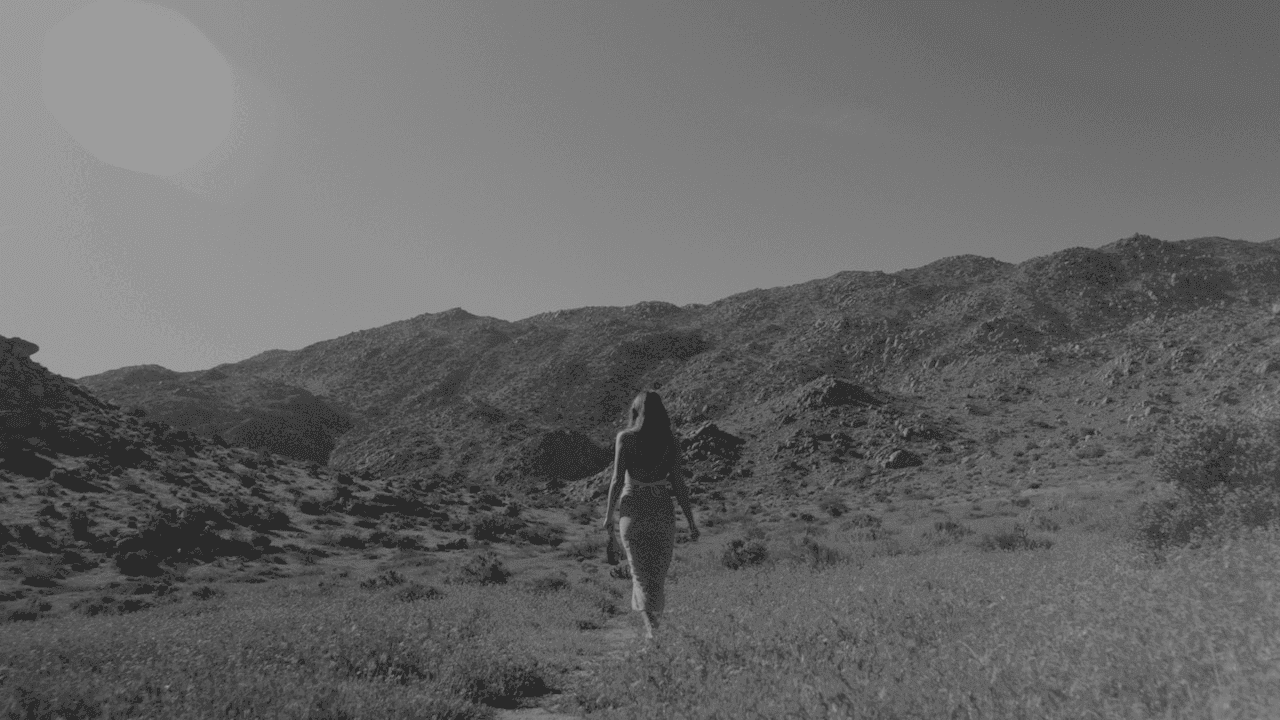
Natural or woodland burial usually uses a biodegradable coffin or shroud in a setting managed for a more natural landscape. Each burial ground sets its own practical rules. Compare the complete quote, permitted memorials, accessibility and future visiting arrangements rather than assuming every woodland site offers the same service.
Ask for a quote that names what is included
Separate plot rights, burial or interment fees and the funeral director’s services.
Check coffin, shroud, clothing and memorial requirements with the site.
Ask about access in wet weather, the location record and arrangements for future visits.
Example enquiry: “Please confirm whether the quoted price includes opening the grave, the ceremony space and a record of the burial location. What could be charged separately?”
Does natural burial always mean planting a tree on the grave?
No. Memorial and planting arrangements vary by site. Ask what is permitted and whether a tree, marker or shared planting area is included before promising a particular memorial to family.
What should I check if relatives have limited mobility?
Ask about the route from parking, uneven ground, seating, toilets and alternatives in bad weather. A peaceful setting may still present practical access difficulties.
The site operator is the source for its current prices, permitted materials and visiting arrangements. Keep a dated copy of the quote and terms; a national cost average is not your family’s offer.
Once the place and ceremony are agreed, prepare an order of service that reflects the actual route and arrangements for guests. Funeral order of service: layout and wording
What is a natural or woodland burial?
A natural burial is a burial designed to have as little impact on the land as possible, so that over time the site returns to meadow or woodland. The terms natural burial, woodland burial and green burial are often used interchangeably. Some grounds are woodland, where a tree may be planted for each grave, while others are wildflower meadows or sit within a larger nature reserve.
SunLife's Cost of Dying Report 2026 describes woodland burial as one where the body is laid to rest in its natural state, with no embalming chemicals. The ceremony itself can take any form. It can be religious, humanist or entirely personal, led by a minister, a celebrant or family members, at the graveside, in a shelter on site, or somewhere else beforehand.
Where can you have a natural burial?
Natural burial grounds are run by different kinds of owner, including local councils, and some council cemeteries have a separate green burial area alongside traditional graves. For example, Folkestone & Hythe District Council's green burial area at Hawkinge Cemetery requires biodegradable coffins, has no memorials on the graves, and plants a native tree or shrub as a living memorial for each grave.
Some natural burial grounds belong to the Association of Natural Burial Grounds. According to the Cremation Society's glossary of funeral organisations, the association was established by the Natural Death Centre in 1994 and requires its members to follow a code of conduct. The Natural Death Centre is a charity that gives free, impartial advice on dying, bereavement and consumer rights, and is a useful first stop when you are looking for a ground near you.
How much does a natural burial cost?
A natural burial is not automatically cheaper than a conventional one. In SunLife's 2026 report, a woodland burial plot averaged £2,207, just below the £2,374 average for a cemetery burial plot, with a service fee of roughly £390. Prices vary widely by site and region, and some council grounds charge more to people from outside the area. At Hawkinge, for example, the green burial fee is listed as £1,302 for residents and £2,604 for non-residents.
You will usually still need a funeral director, or to arrange collection, care and transport yourself, so ask for the full price, not just the plot. Savings can come from the simpler choices that natural burial encourages: a plain coffin or shroud, no headstone, and a ceremony at the graveside. Some families combine a direct burial, which SunLife put at an average of £1,628 before third-party fees such as the plot, with their own memorial gathering later. Our guide to funeral costs in the UK sets these figures in context.
What kind of coffin or shroud can you use?
Natural burial grounds ask for a coffin, casket or shroud that breaks down naturally. Options made for natural burial include willow, wicker, bamboo, sustainably sourced softwood, cardboard, and wool or cotton shrouds. Fixtures and fittings matter too: at Hawkinge, the coffin and its fixtures and fittings must all be biodegradable.
Each ground sets its own rules, so ask before you buy anything. Some may not accept certain materials at all. A good natural burial ground will tell you clearly what it accepts and why.
Is embalming allowed at a natural burial?
Natural burial is generally done without chemical embalming, because the aim is to avoid adding chemicals to the soil. Rules differ in the detail. At Hawkinge, for example, embalming is discouraged but acceptable if carried out using natural substances.
If the funeral will be some time after the death, or if the person will be viewed in a chapel of rest, ask the funeral director how they will care for the body without conventional embalming, for example by refrigeration. If the person died abroad and is being brought home, mention natural burial to the repatriation company early and ask whether the countries involved require embalming for transport.
Can you have a headstone or memorial?
Usually not a conventional headstone. Natural burial grounds aim for the land to look and function like a natural landscape, so memorials are simple or absent. Options at different grounds include a tree or shrub planted on or near the grave, a small flat wooden or stone plaque, or no individual marker at all, with the location recorded by the ground. At Hawkinge there are no memorials on the graves, a tree or shrub is planted instead, and unwrapped flowers can be left for up to seven days after the burial.
Graves in natural burial grounds are often single and may not be reopened. At Hawkinge, each grave is single depth for one burial and is not reopened unless the law requires it. If you hope to be buried next to a partner, ask whether the ground can reserve a neighbouring plot. Some grounds also accept ashes for burial or scattering. Brighton & Hove City Council's natural burial ground at Woodingdean, for example, includes a scattering area, and our guide to scattering ashes in the UK covers the rules.
Does natural burial suit different faiths and beliefs?
Natural burial is open to people of any faith or none. Because it favours simplicity, it can sit comfortably with traditions that already prefer a plain coffin or shroud, quick burial and no embalming, as is common in many Jewish and Muslim communities. Practice varies, though. Some families need a burial area consecrated or set aside for their faith, or burial facing a particular direction, so ask the ground what it can offer and involve your faith leader early.
For people who do not follow a religion, natural burial is often chosen because it expresses a love of a particular landscape or a wish to give something back to nature. A humanist or independent celebrant can lead a ceremony at the graveside, or family and friends can shape it themselves.
Can you be buried on your own land?
In England and Wales, a burial on private land is possible in some cases, but it needs care. Cornwall Council's guidance on private burials (updated July 2026) says you must have the landowner's permission, and the site must meet environmental conditions. Its examples: at least 50 metres from any well, spring or borehole used for water supply, more than 30 metres from other springs or running or standing water, more than 10 metres from dry ditches or field drains, and at least 1 metre of soil above and below the coffin. The Environment Agency's guidance on protecting groundwater from human burials sets out the groundwater rules for cemeteries in England.
You still need to register the death and get the certificate for burial from the registrar, then complete and return the notice of burial form. The same Cornwall guidance says planning permission is usually not required for one or two burials, but strongly recommends recording the burial on the property deeds, and warns that a grave on the land may affect the property's value or how easy it is to sell. Speak to the local council's environmental health team before going ahead. The rules in Scotland and Northern Ireland differ, so check with the local council and the environmental regulator there first.
Frequently asked questions: Natural burial
What is the difference between woodland burial and natural burial?
Very little. Woodland burial is a type of natural burial where graves are in or become woodland, often with a tree planted for each person. Natural burial also includes meadow and other wild landscapes.
Is natural burial cheaper than a cemetery?
Not always. SunLife's 2026 report put the average woodland burial plot at £2,207, close to the £2,374 average for a cemetery plot. Savings usually come from a simpler coffin, no headstone and a smaller ceremony.
Can you visit a natural burial grave?
Yes. Families can visit, and the grounds are often peaceful places to walk. Because graves may not be individually marked, ask how the ground records each grave's location.
Can I plan a natural burial in advance?
Yes. Some grounds let you reserve a plot in advance, and writing your wishes down means your family does not have to guess.
How Solace Care can help
Availability: These guides are freely accessible. The Solace platform currently supports Sweden, Finland, Norway, Denmark and the Netherlands. UK-specific features and legal document templates are not yet confirmed. Before signing up, contact support@solace.care to check access and which features are suitable for you.
Use this guide for funeral wishes and questions for the burial ground without an account. If you want additional app support, first ask support@solace.care to confirm suitable UK features and access. Once confirmed, you can create an account. For email updates, use the optional newsletter form. Registration does not submit forms or make legal decisions for you; a newsletter subscription is not an app account.